
- November 9, 2025
- אורלי ערן
- 0
More Tips and Ideas for Upgrading Your Home — A Follow-Up to the Previous Article!
Using Old Furniture:
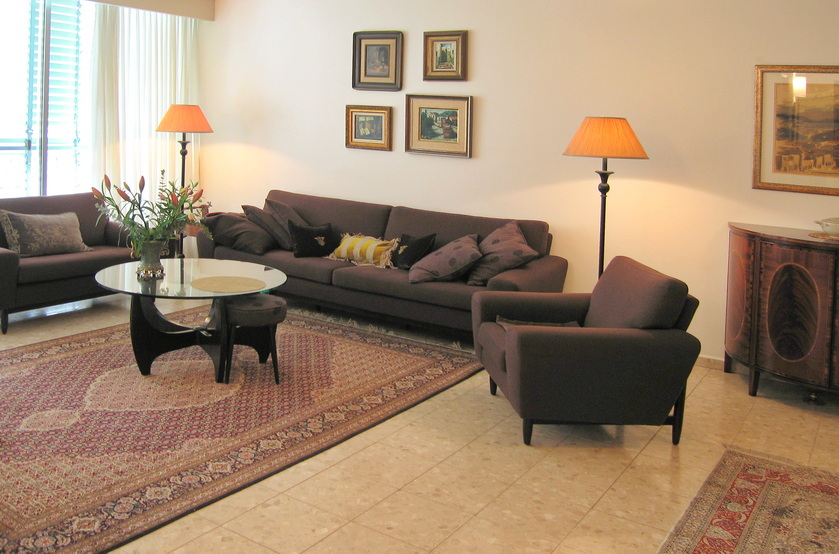
An important and somewhat surprising tip for designing your new home: use your old furniture!
Old furniture gives a sense of continuity, warmth, and sometimes even personal or family history. My advice: don’t give that up!
That way, your home will look like your home — not like a more (or less) successful choice from a furniture catalog.
Here’s an example — a bit extreme, but it perfectly illustrates the point:
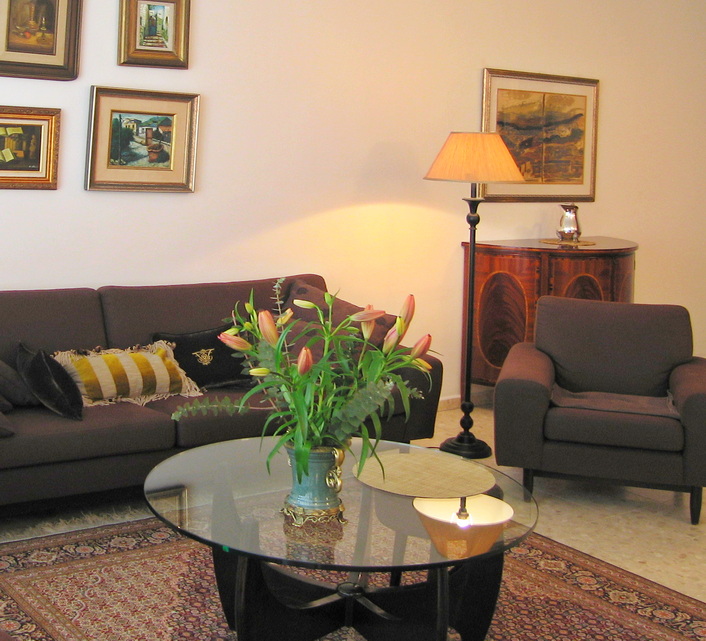
A couple married in the 1950s had once invested greatly in their living room furniture. We decided to keep the old sofa and armchairs and use them as the basis for redesigning the space. We reupholstered them in a rich dark-brown fabric and added matching cushions. We bought an antique cabinet that enriched the look, and two standing lamps that brought a sense of modern symmetry. We removed many of the pictures that were hung in a straight line along the sofa wall, as was once common, and rehung only the most beautiful and meaningful ones in a more contemporary layout that highlights the furniture arrangement.
Using Objects That Cost Nothing — Just Attention:
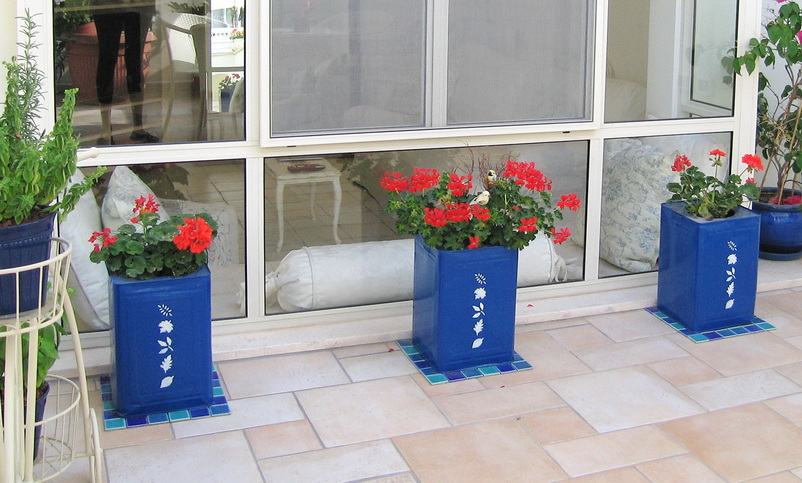
Not everything used in home design has to be expensive. Sometimes, what costs little — or even nothing — can serve us best.
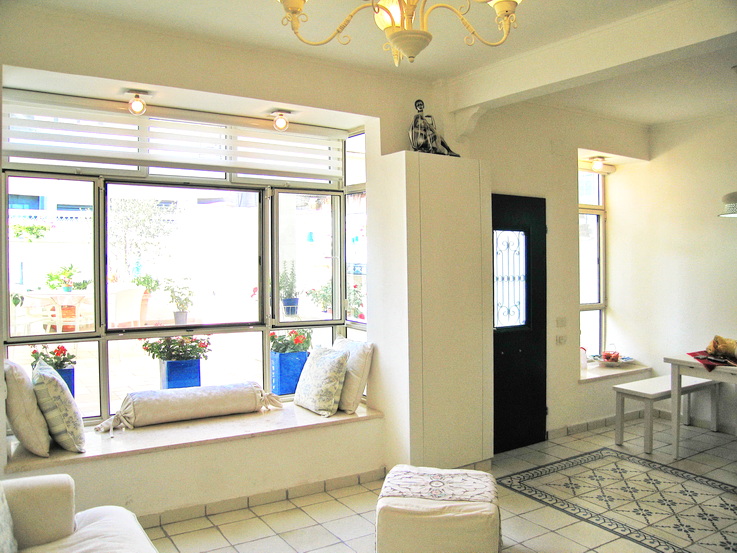
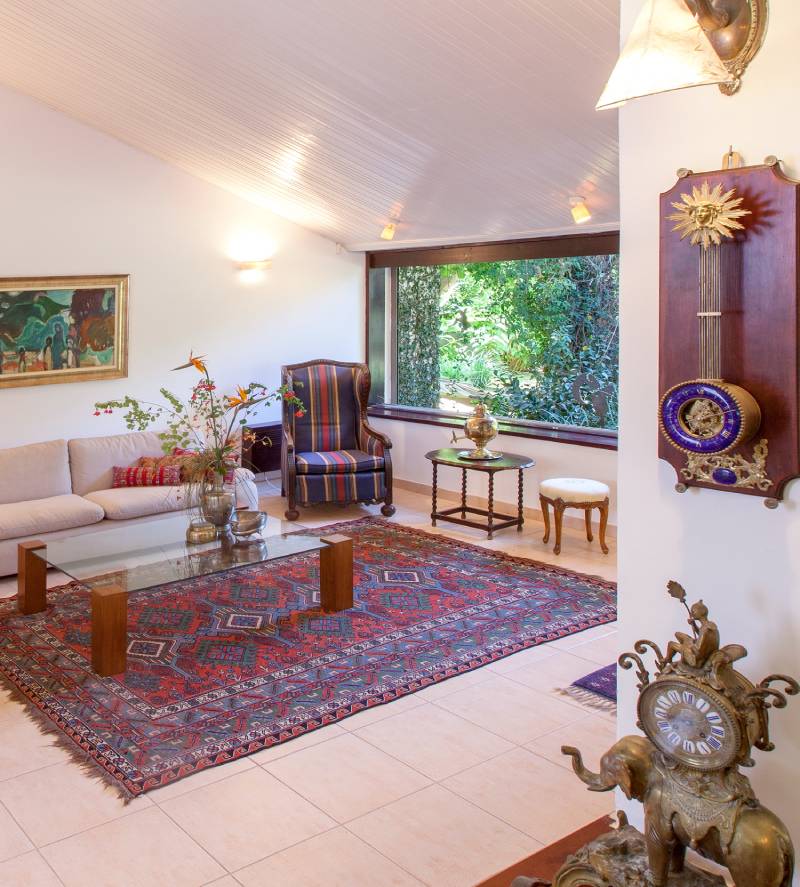
Mixing periods, costs, styles:
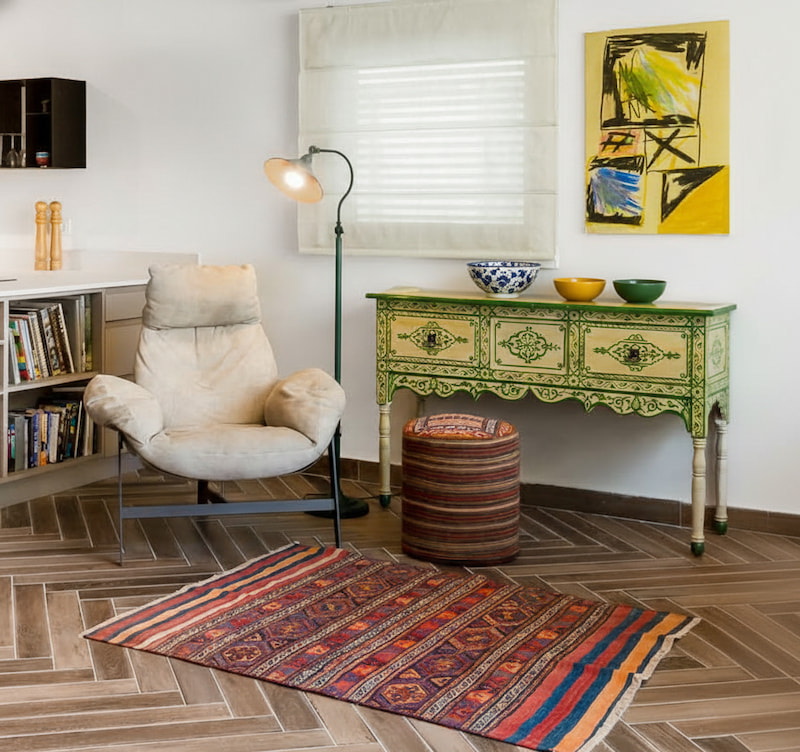
Just like in fashion, you can mix cheap and expensive items — valuable art with prints you simply love, real carpets with inexpensive folkloric rugs. There are no rules — except one: your design should include what you love most.
Mixing old and new, expensive and cheap — creates unique harmony.
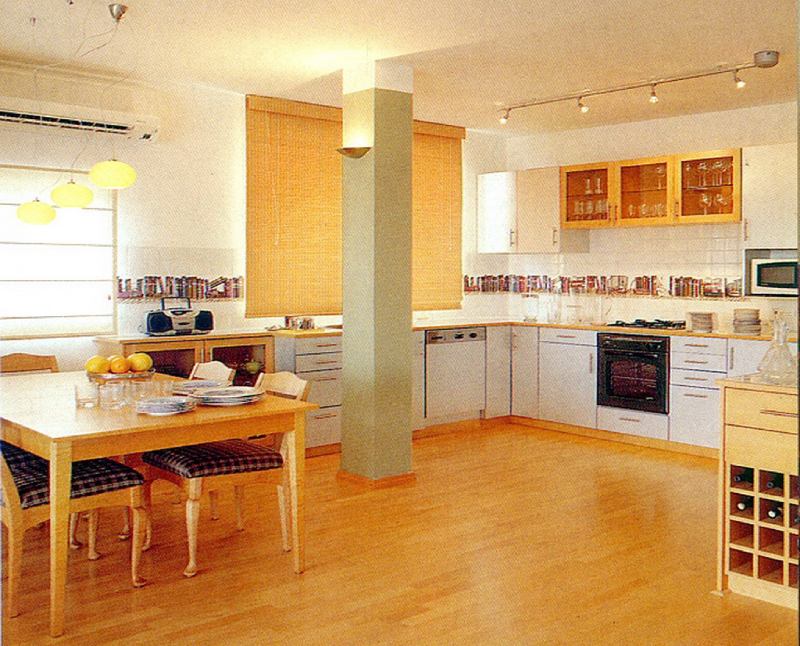
Dealing with Structural Columns:
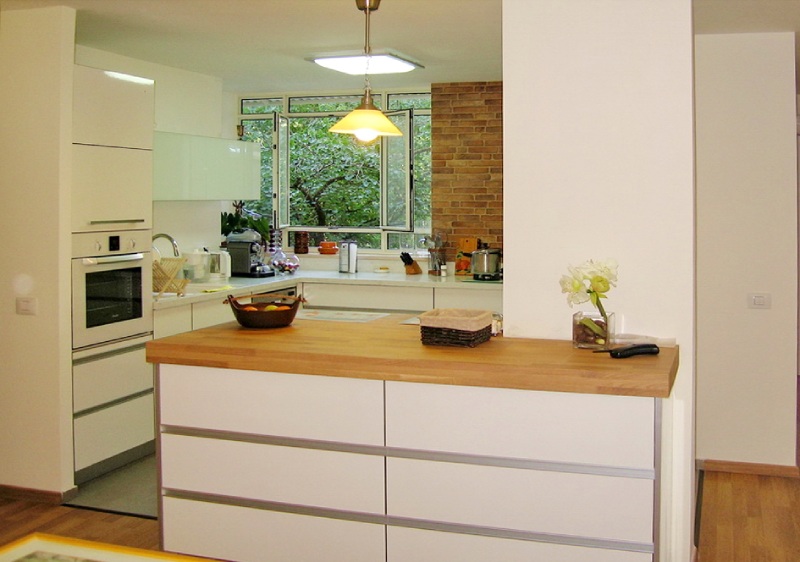
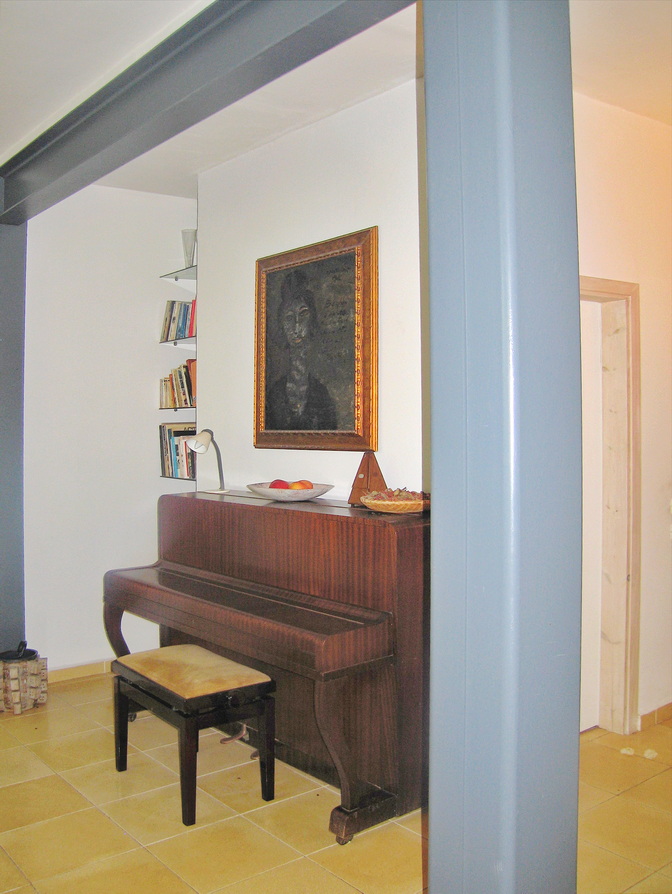
Renovating old apartments often leaves structural columns awkwardly standing in the middle of the space after walls are removed. Usually, they can’t be eliminated — but there’s no need to panic. You just need to know how to integrate them properly into the new plan.
Instead of a Balcony:
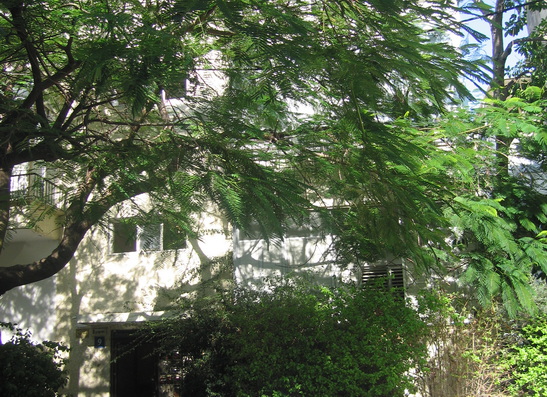
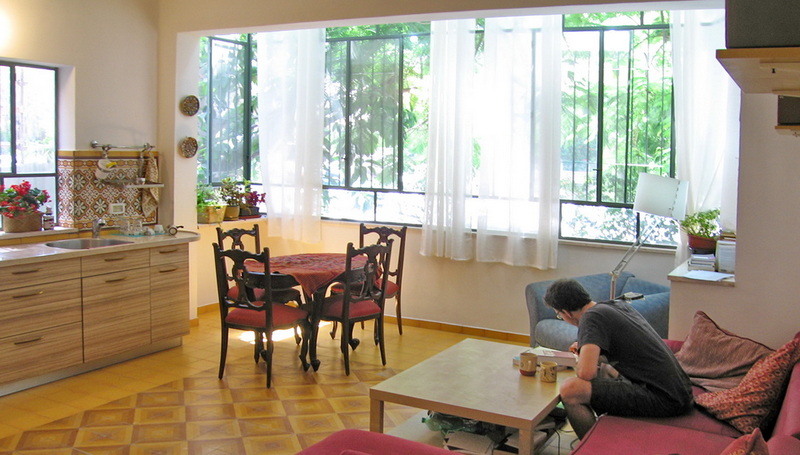
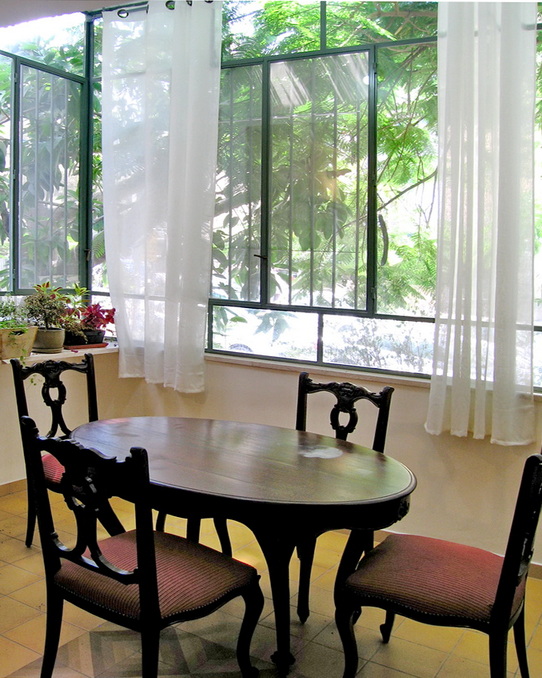
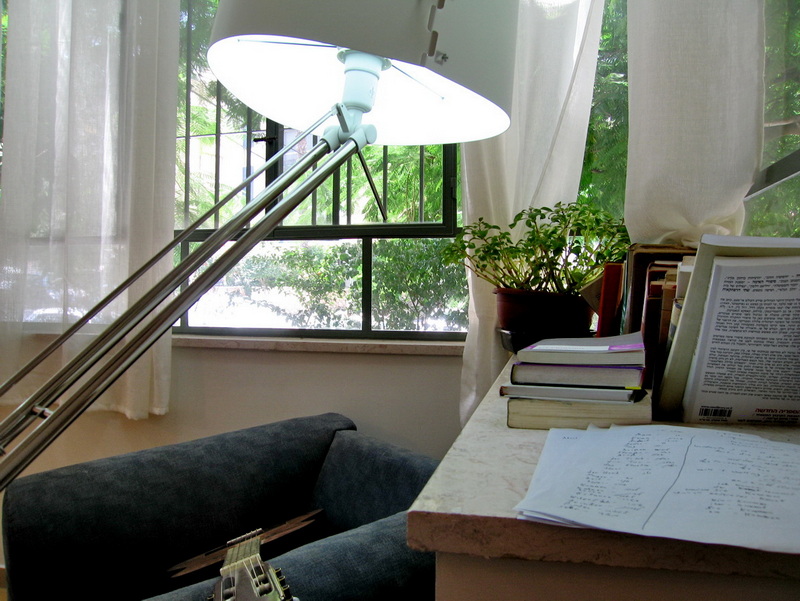
Many old apartments have balconies that were long ago closed off with ugly plastic shutters and turned into storage rooms. One of the great advantages of renovating such an apartment is reclaiming that space — turning it into an extension of the living area and bringing the greenery outside into the home.
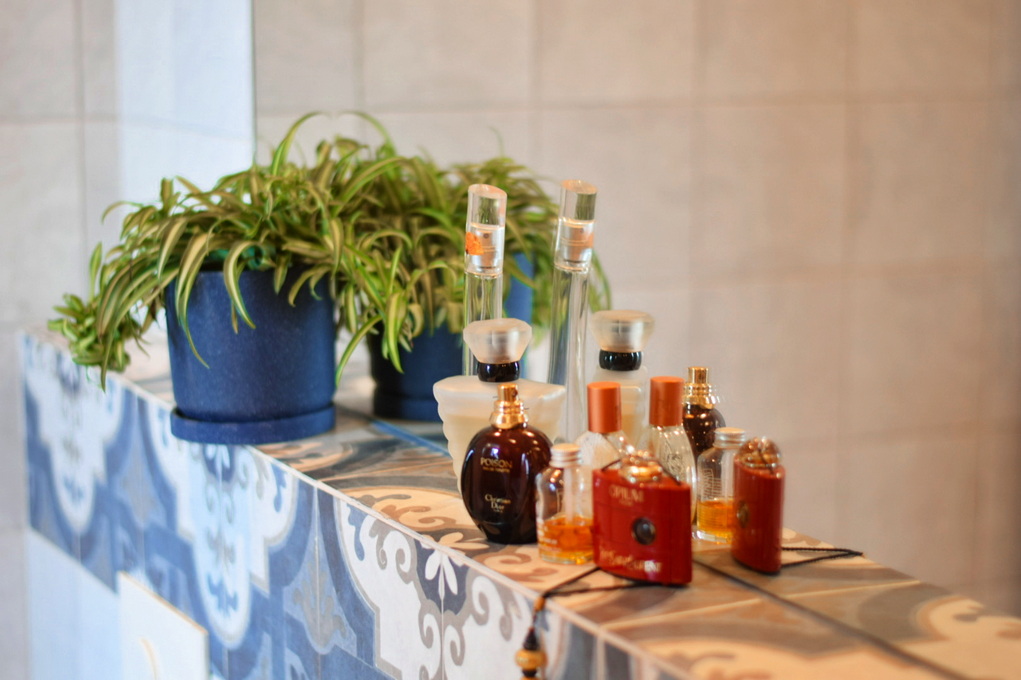
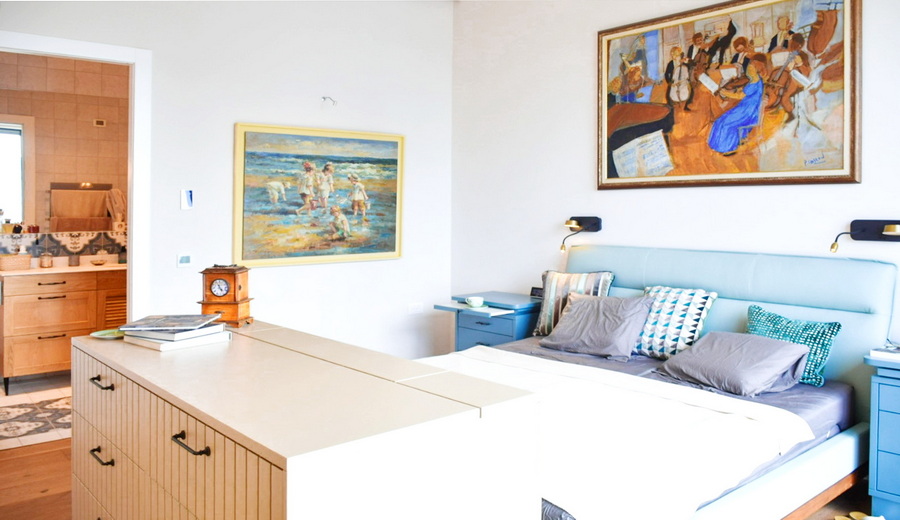
Mixing Patterns:
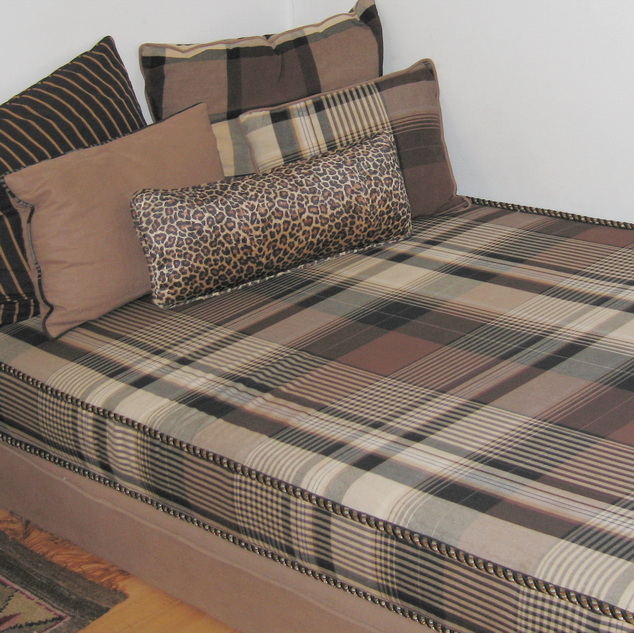
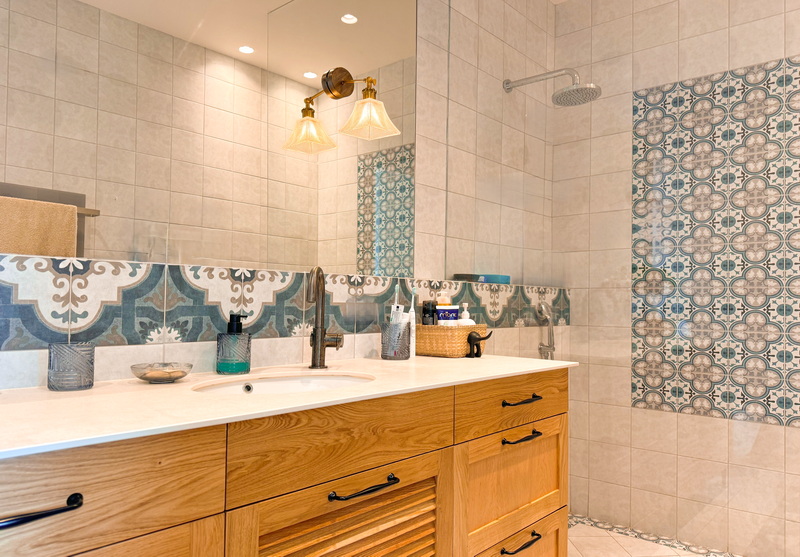
This isn’t for everyone, but try to open your mind and use a mix of patterns instead of sticking to one.
The trick: find matching colors and scales, and do it gently…
Sliding Doors as Temporary Dividers:
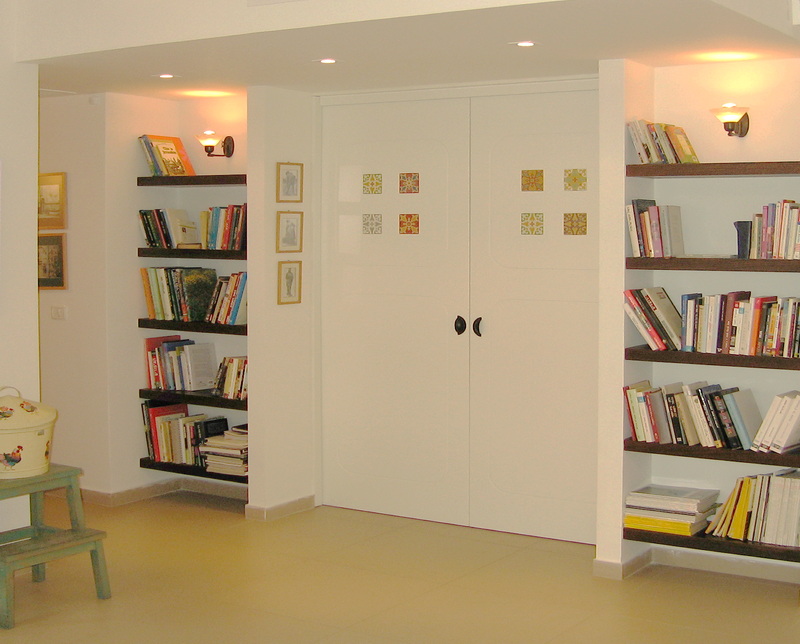
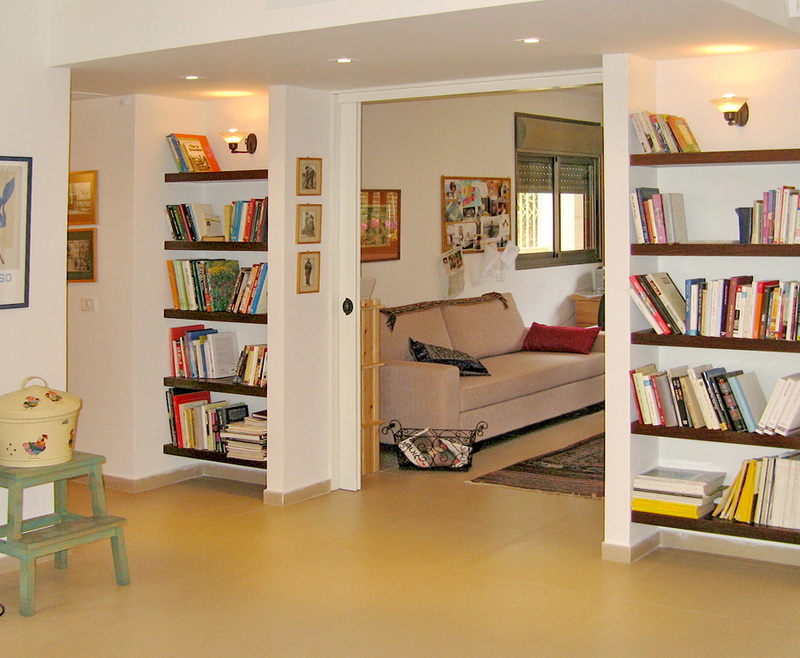
Wide sliding doors can be a great way to close off a room that isn’t in constant use.
A Side Window:
Know this: a room with windows on two sides is far more attractive than one with only a single direction of light!
If possible, plan for windows on two sides — you’ll be amazed how much it opens and enriches the space.
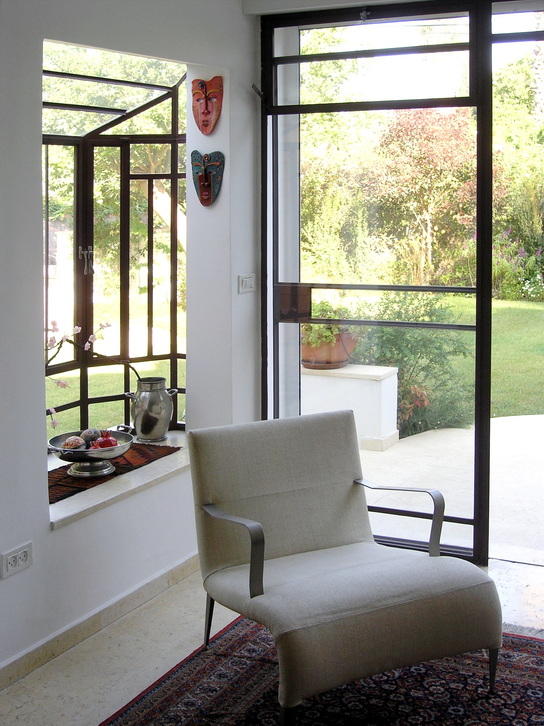
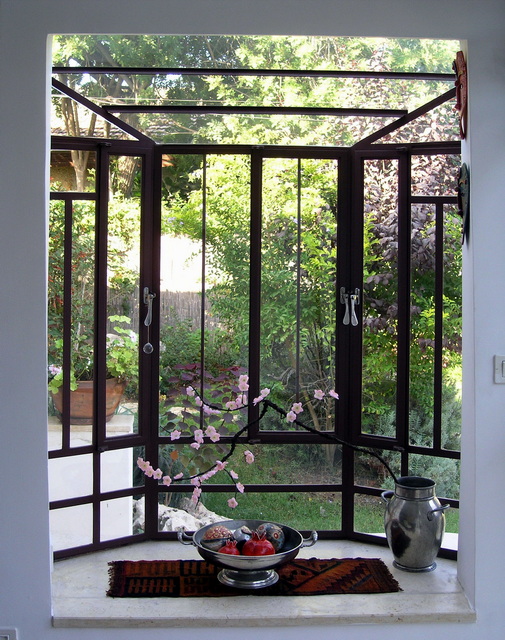
(Read more about this home renovation here.)
Pergolas:
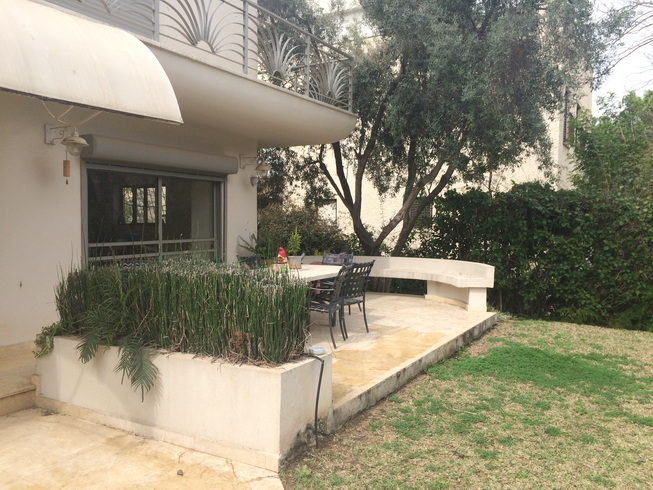
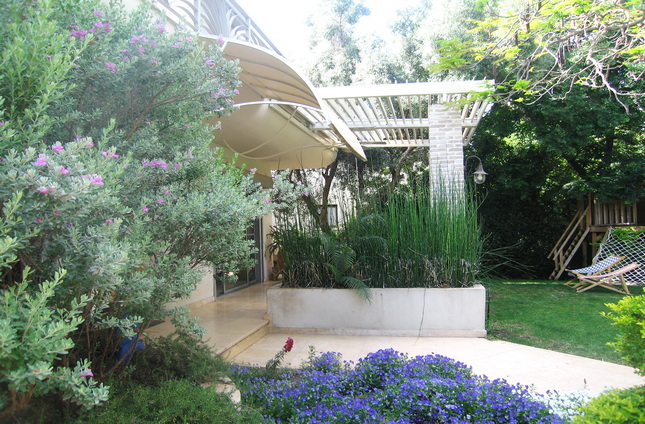
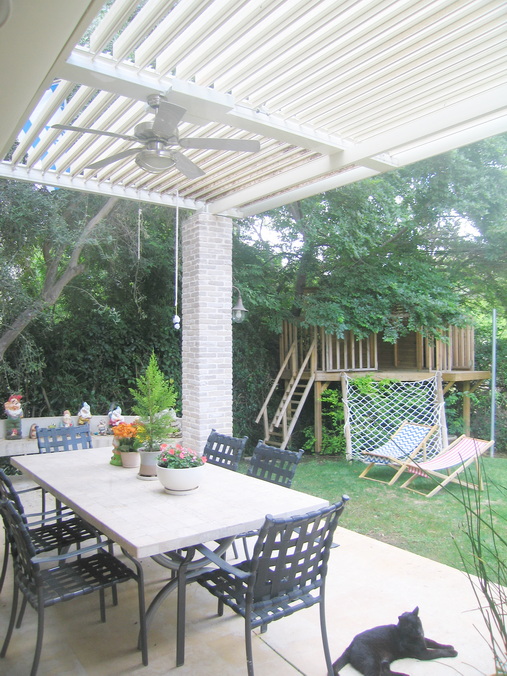
A pergola isn’t just shade — it can be a beautiful, vital part of the garden. With good planning, it highlights the most attractive garden zones, gives shade in summer, shelter in winter, and creates a pleasant transition between outdoors and indoors.
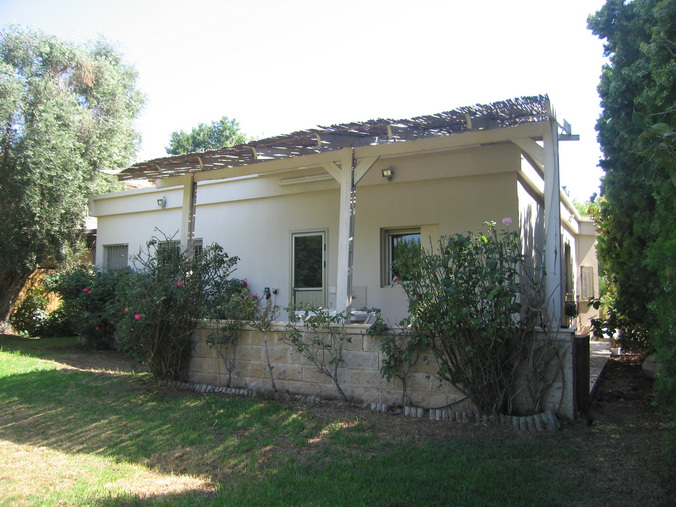
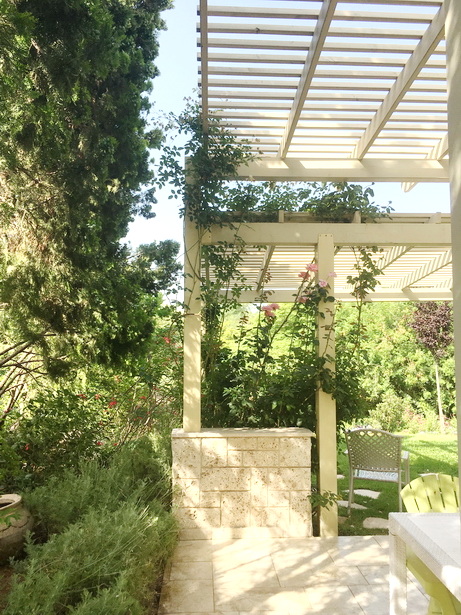
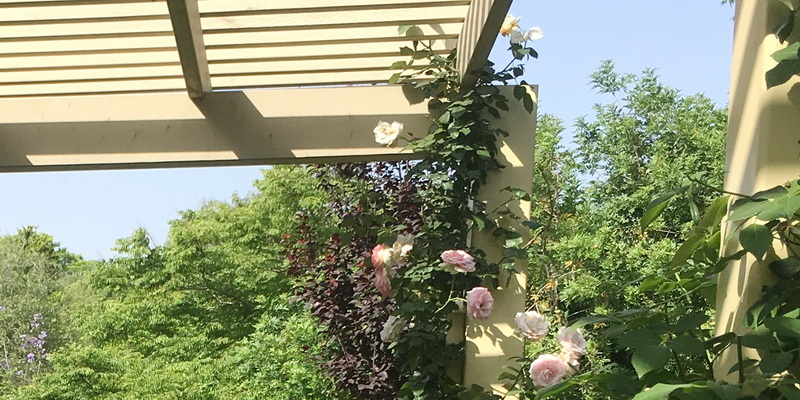
It’s best to choose durable and aesthetic materials for your pergola, prepare for electric shading, lighting, and a ceiling fan, and above all — design it as an architectural, functional, and beautiful feature.
Have questions about upgrading your home in Israel?
You’re welcome to call my office at 0544-739584 and get focused, effective architectural advice that will bring clarity and guide you toward action.
To read the first part of my article on home design tips — click here.