
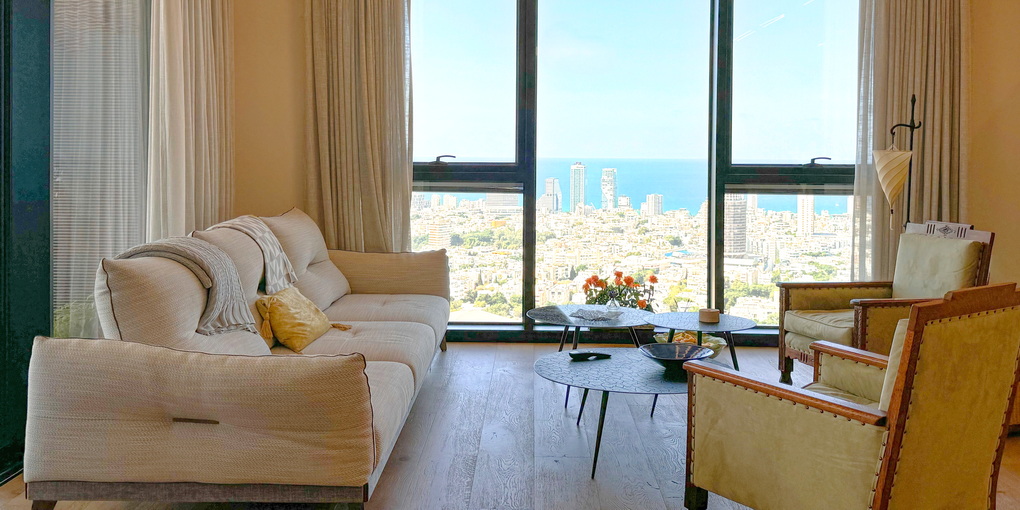
As an architect and interior designer with extensive experience guiding families in planning and designing their homes, I often encounter recurring challenges.
These may include shared spaces that require smart separations, the need for additional storage without overloading the furniture, or the desire to incorporate beloved items from the past into a modern design.
In my work, I always strive to find creative solutions that bring not only functionality but also a pleasant and harmonious atmosphere to the home.
In this article, I have gathered several tips and practical ideas that can help you make your home more personal, comfortable, and inviting.
dividing space:
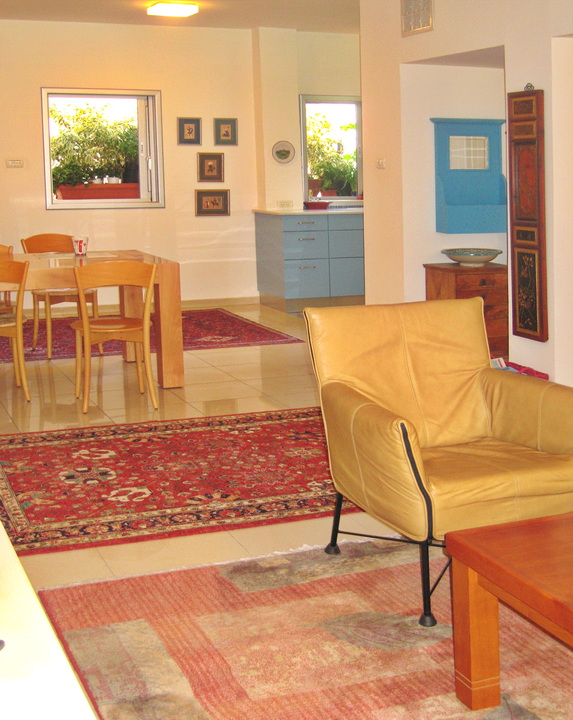
Many contemporary homes are designed with one large space that contains the kitchen, the living room, and the dining area. This creates a sense of openness and spaciousness. But when planning such a space, it is important to ensure that each area receives a clear definition and unique character.
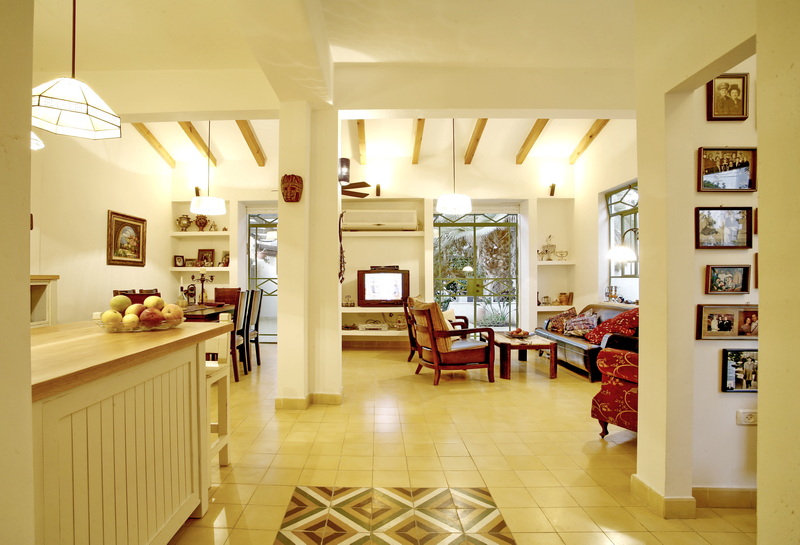
To create different zones within one space, we used a variety of elements:
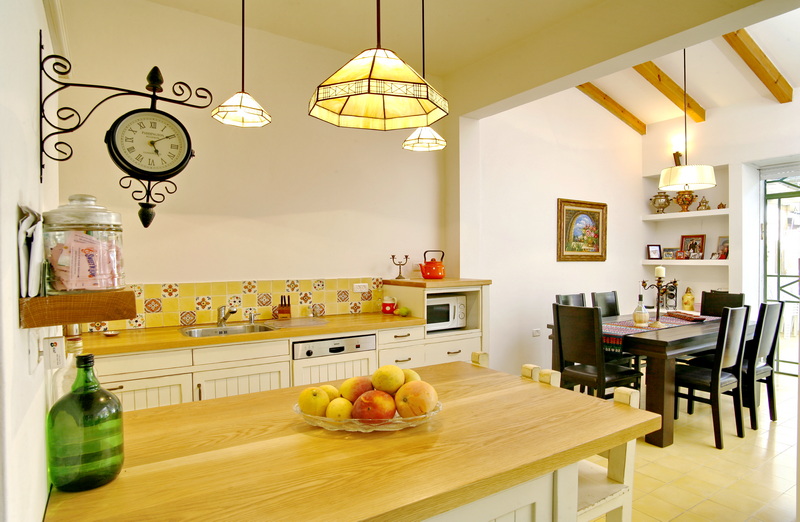
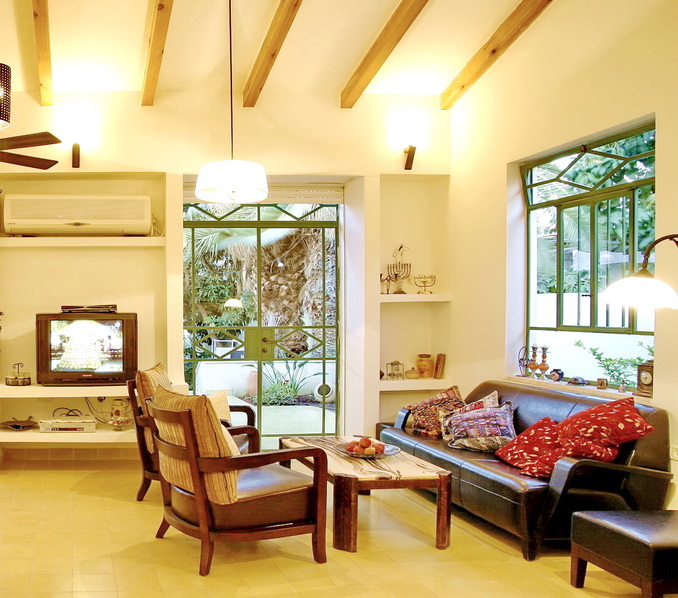
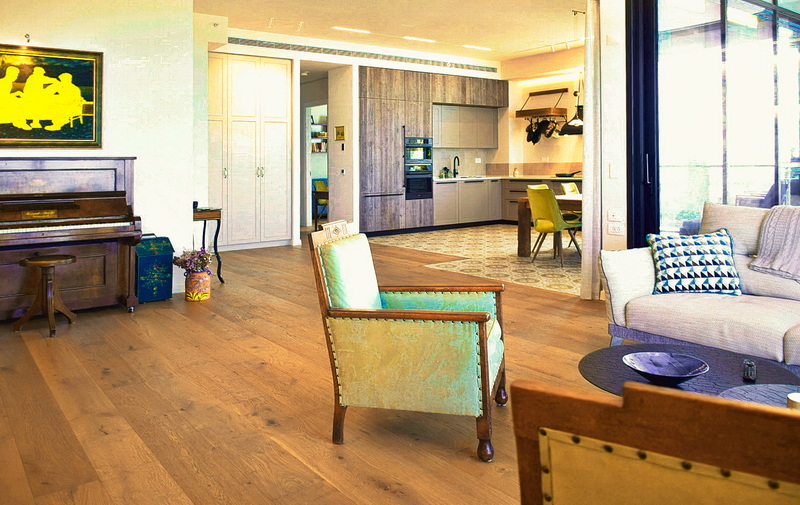
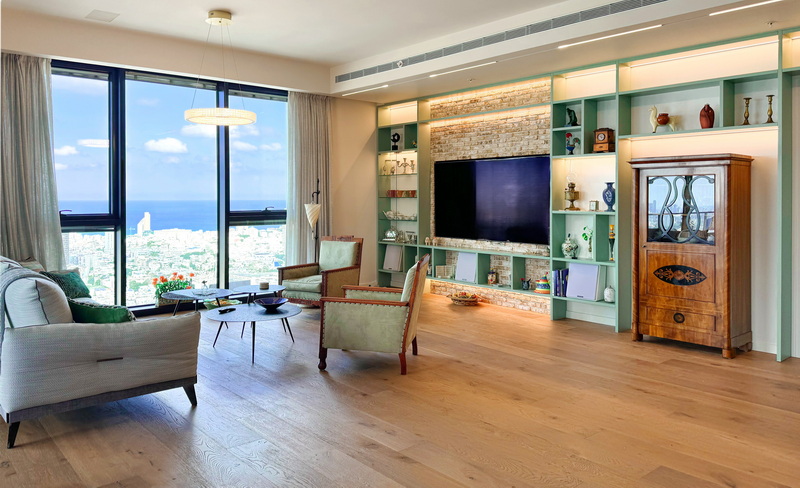
To further separate areas, design elements can be very effective. For example, in this project, the living room floor was covered with oak parquet, while the kitchen and dining area were covered with patterned tiles
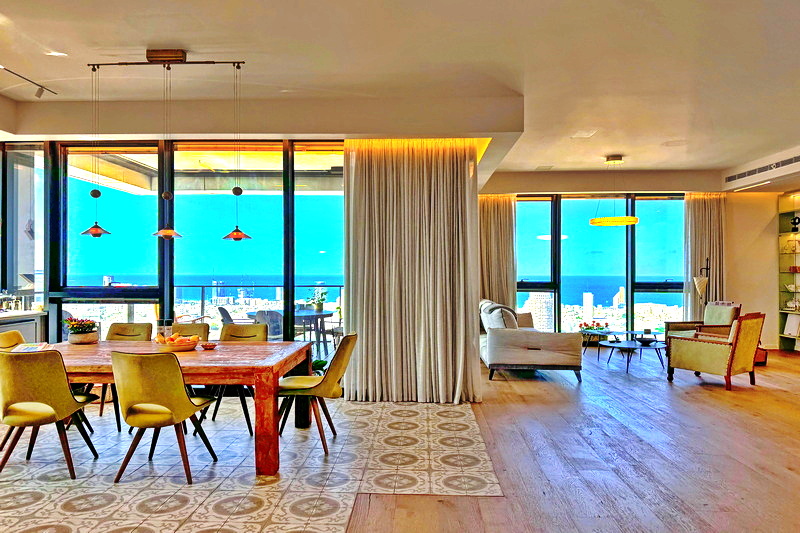
This is practical – as tiles are less sensitive to food stains – and it creates a clear division in the open space.
niches:
Although they are somewhat out of fashion, built-in niches are still a wonderful way to maximize storage, save on furniture, and add a unique charm.
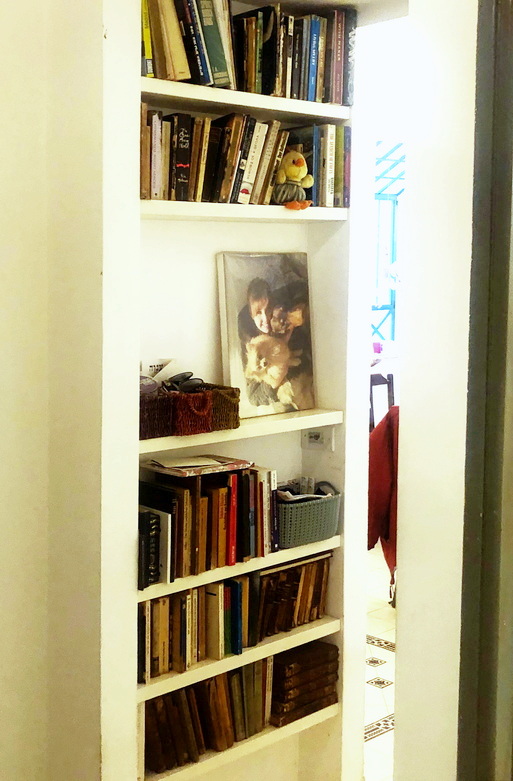
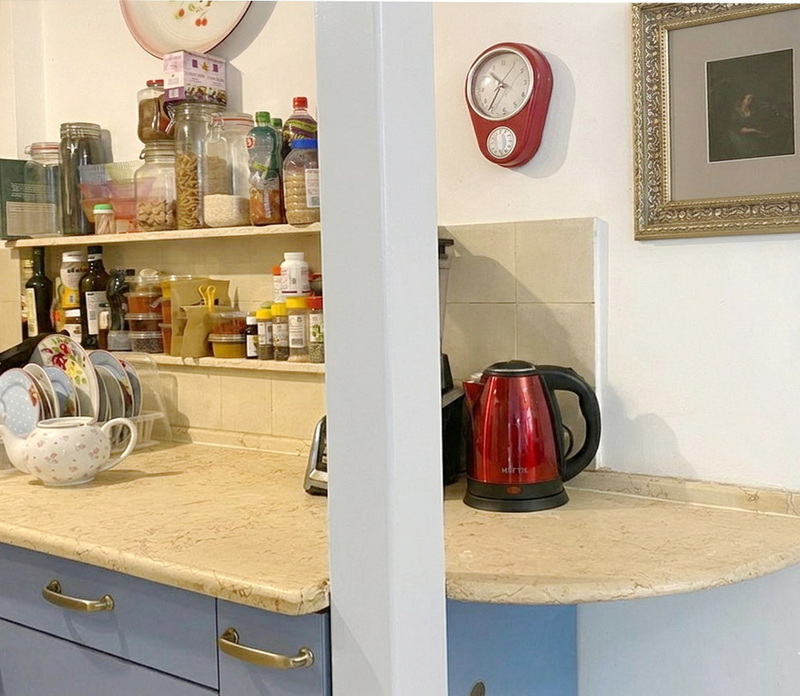
In the kitchen, we used variations in wall thickness to create a niche for pasta jars, rice, coffee, and spices.
hanging kitchen utensils:
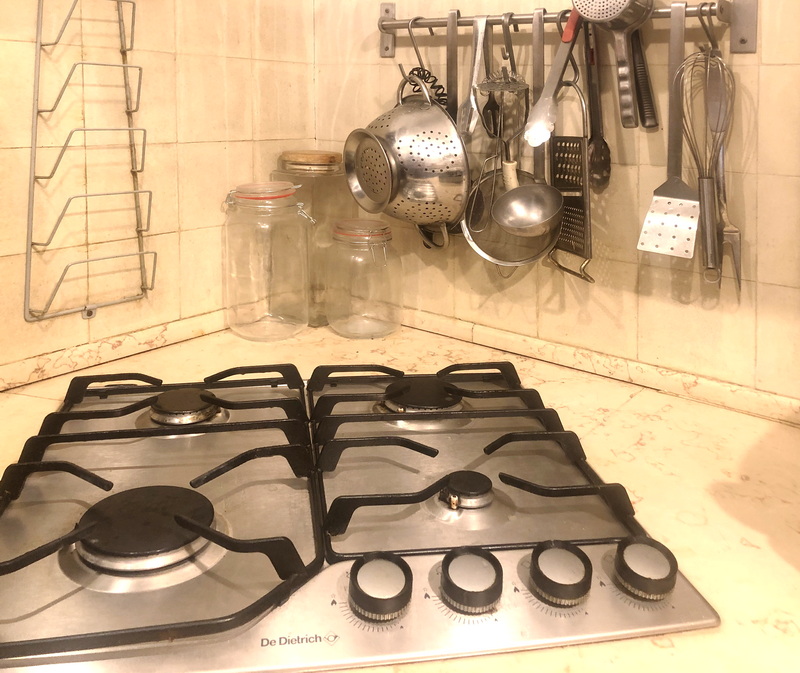
Another great way to save space in the kitchen is to hang utensils on an external metal rod. It’s practical, frees up drawer space, and adds warmth and joy to the kitchen.
Wide window sills:
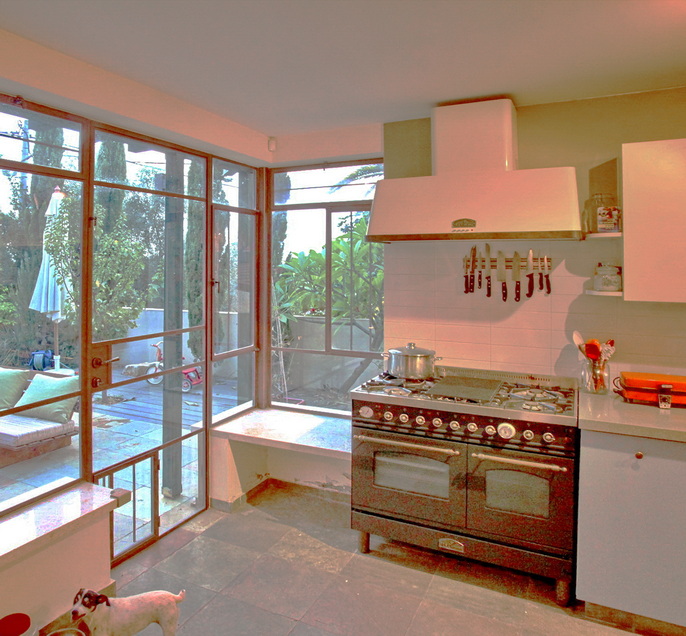
Another great way to add both storage and display space is by creating wide window sills.
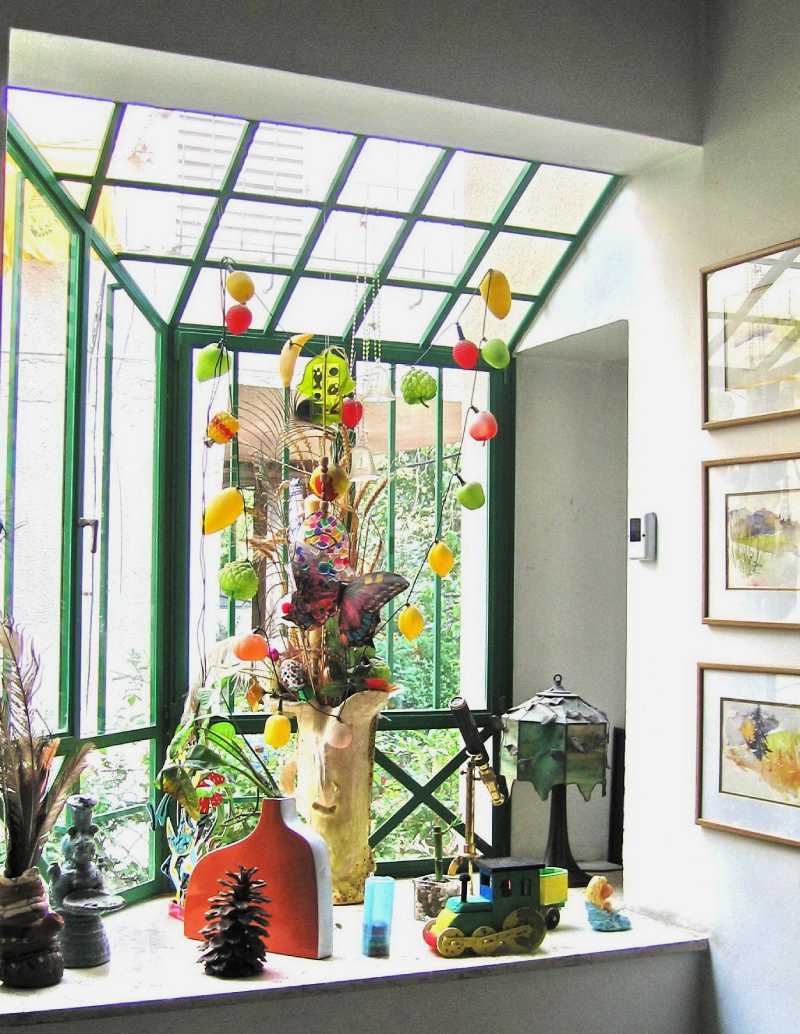
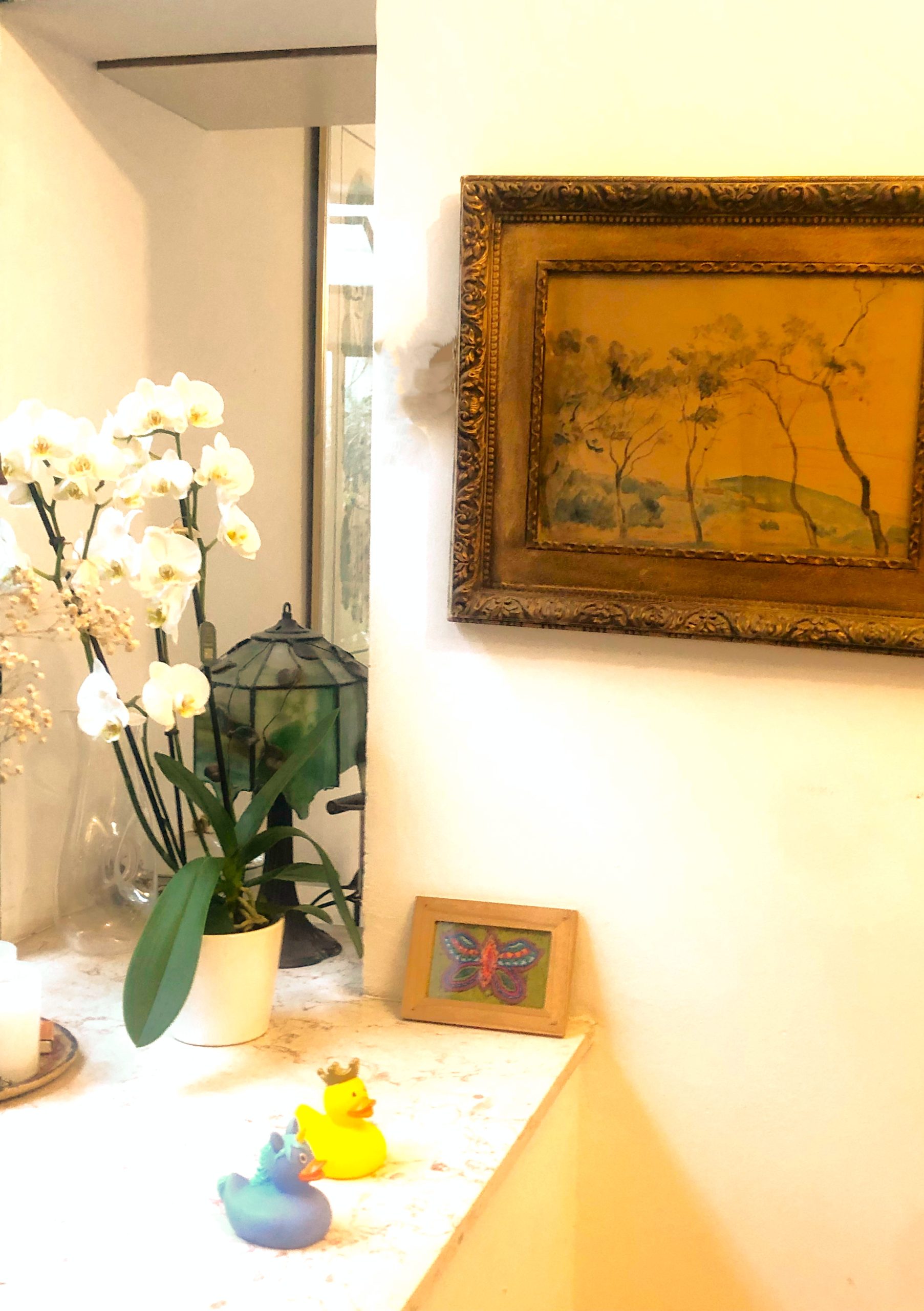
When windows are placed at the outer edge of the wall, a wide sill is formed that can be used to place objects.
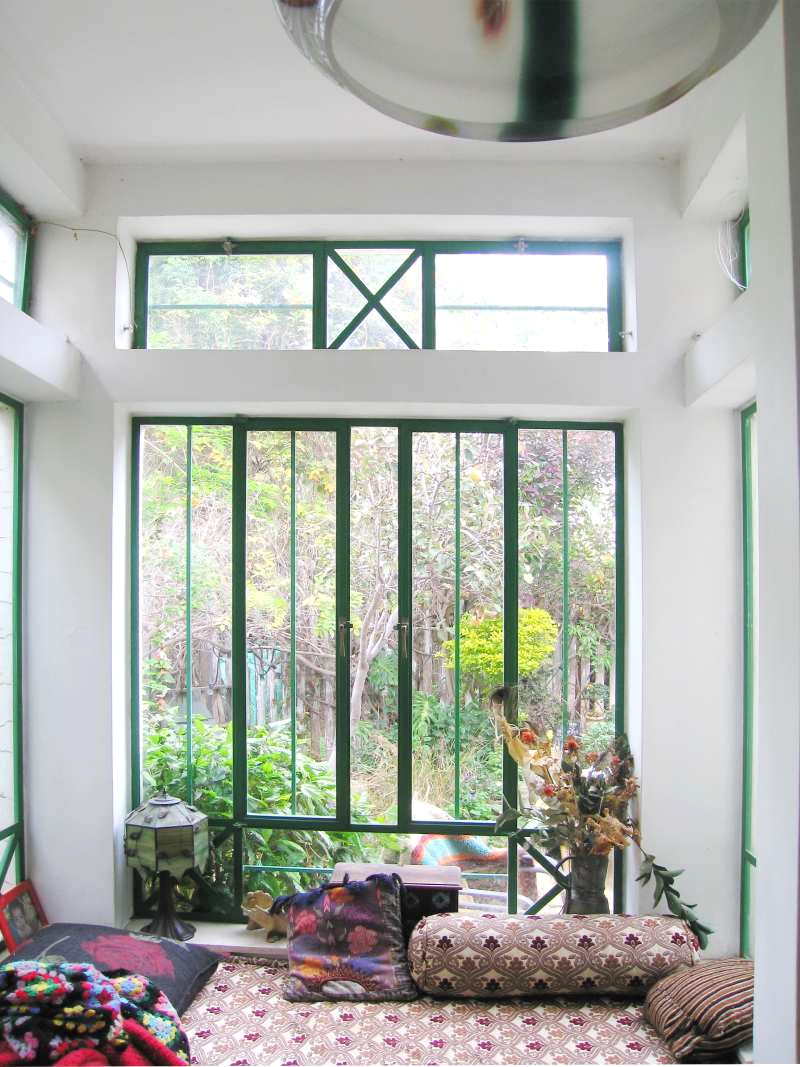
If installed at the right height – about 45 cm from the floor – these sills can also serve as seating benches, such as between the kitchen and the garden.
Wooden storage benches:
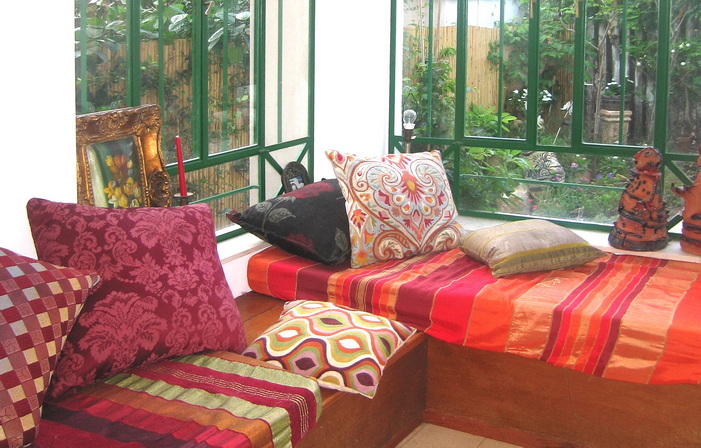
Instead of the conventional sofa and armchairs, you can build a wooden storage box, place mattresses and cushions on top, and enjoy both seating and extra storage.
Windows and views:
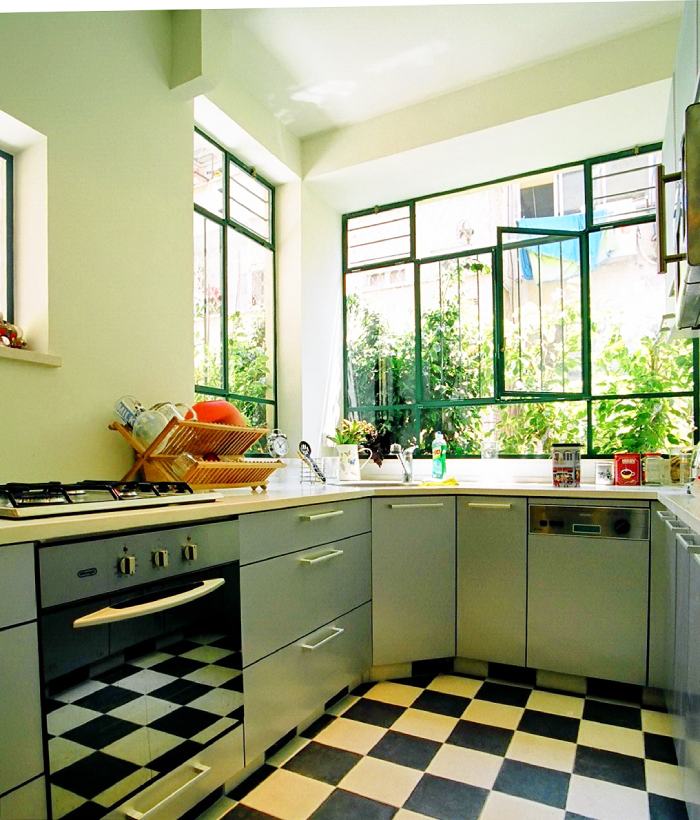
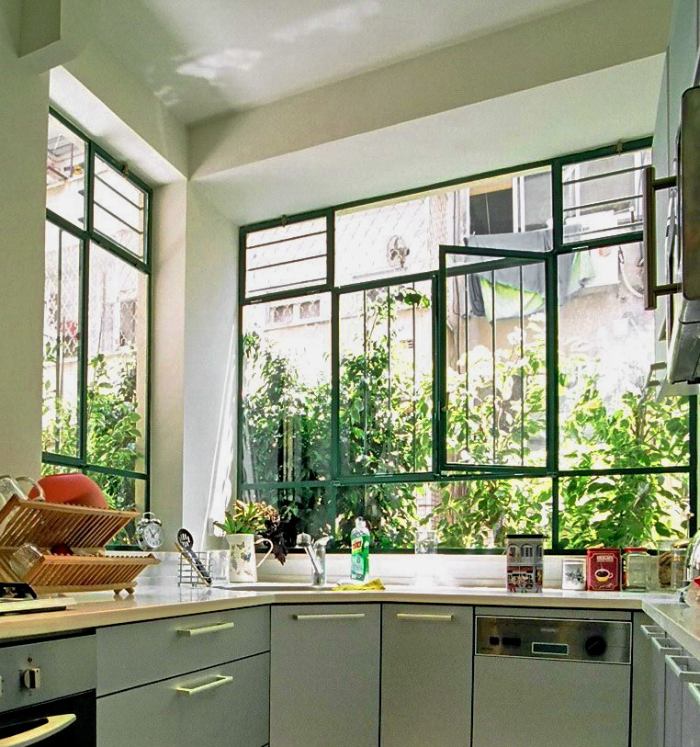
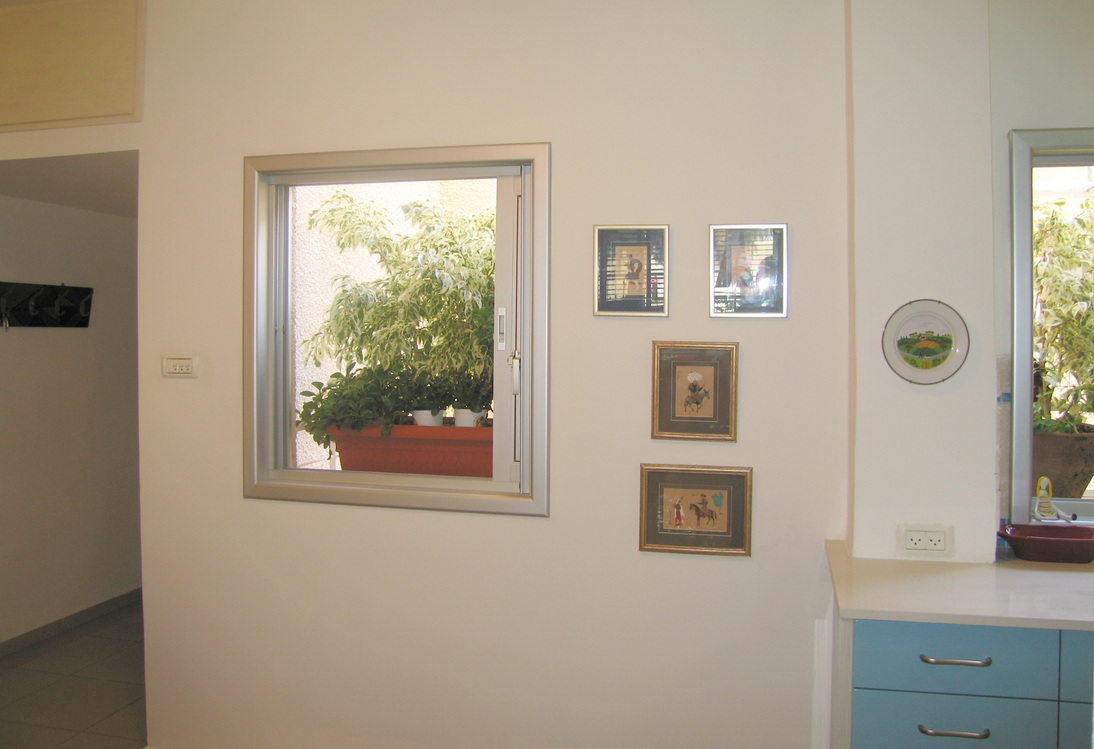
When the view through the window is unpleasant, instead of covering it with blinds or curtains, a nicer solution is to hide it with planters full of greenery. Over time, the plants cover the view while adding a touch of nature to the interior.
Dark wood:
Dark wood used to be a popular interior design choice, but today it often feels outdated and heavy.
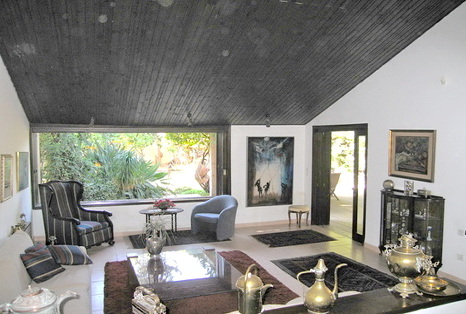
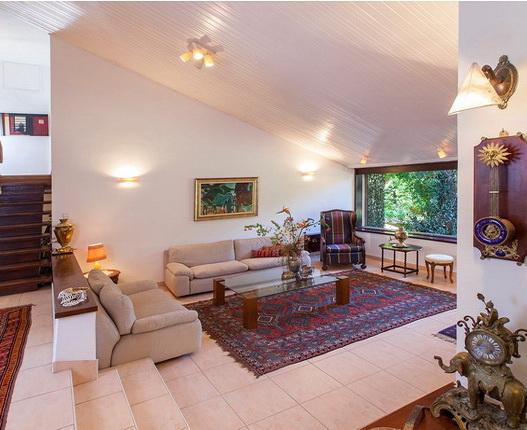
The solution: keep the structure but paint it in a light tone, almost white. This instantly transforms the room into a brighter, cleaner, and more spacious environment – without losing the uniqueness of the sloped roof.
Incorporating old furniture in a new home:
I’m often asked how to include inherited furniture or simply cherished older items in a modern home.
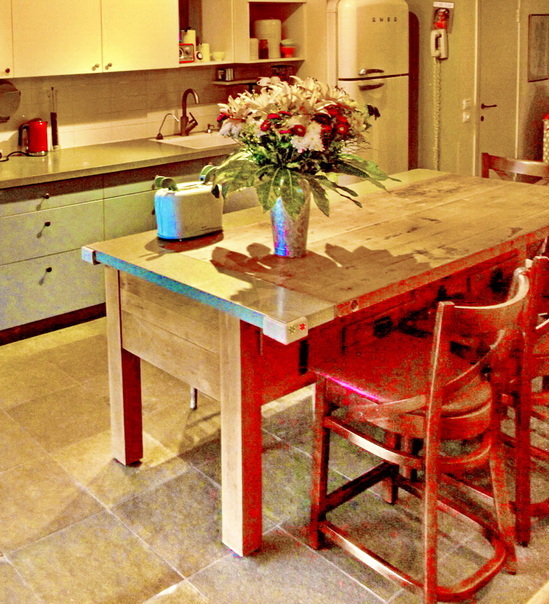
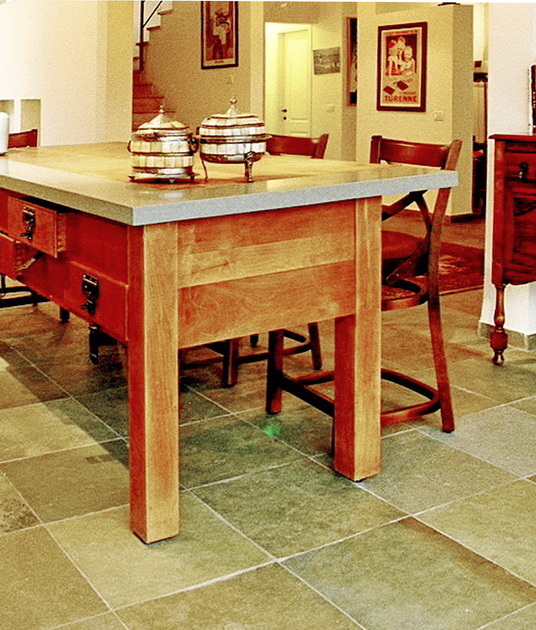
An old carpenter’s workbench that belonged to the homeowner’s father was repurposed as a kitchen island. To enlarge it and make it practical for seating, we added a stone countertop – and it became the heart of the home!
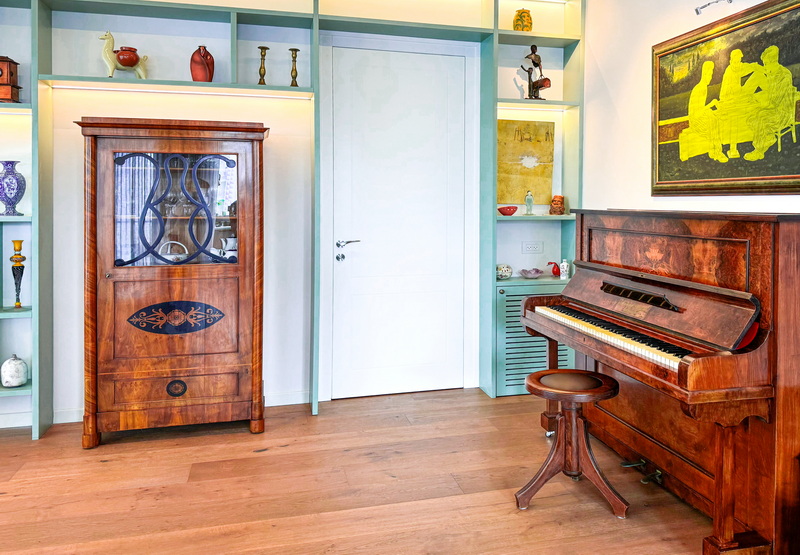
Antique furniture was incorporated into a modern library that also houses a TV, sound system, AC, and lighting. A childhood piano and an inherited cabinet now serve both functional and emotional roles without overwhelming the contemporary space.
Do you face design dilemmas in your home?
Would you like advice on solving an interior challenge as easily as possible?
Sometimes even a one-time consultation with me can help answer your questions and make decisions with confidence.